The Impact of Mobile Clinics in Vulnerable Communities
How bringing health care to people’s doorsteps is changing lives across NSW
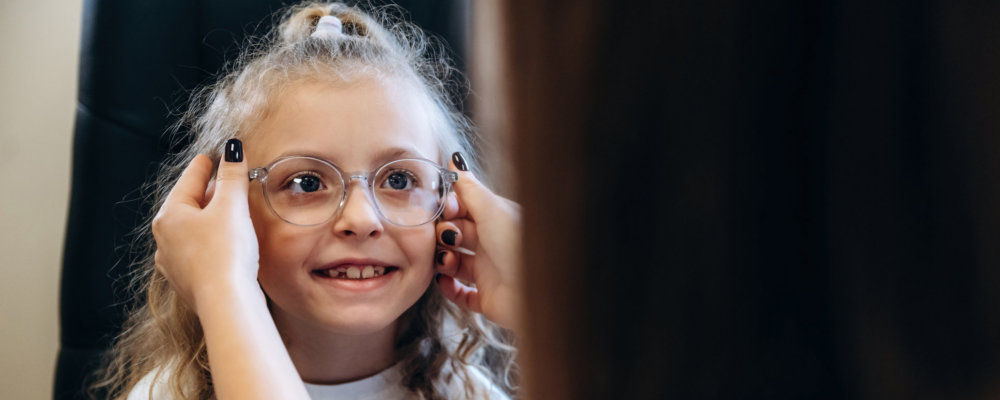
There’s a moment that happens in our mobile eye and dental clinics when an elderly person or child walks in – they’re nervous: for a child it’s fear of the unexpected, maybe they’ve never seen an optometrist or dentist, for an elderly person, they’re expecting the usual barriers – long wait times, forms they don’t understand, costs they can’t afford.
Then something shifts. They realise we’re here, in their community centre or their school. There’s no travel required, no intimidating waiting room, no bill at the end. Just care, delivered with dignity, exactly where they need it. We hear the audible sigh of relief as they start to feel safe and supported surrounded by their peers and empathetic staff within their own community spaces.
This is what mobile health care looks like in practice – and it’s transforming how vulnerable communities across New South Wales access essential dental and eye care.
Why Mobile Clinics Matter More Than Ever
The gap in health care access isn’t getting smaller. It’s widening.
Dental hospitals across NSW have waitlists stretching months, sometimes years. People classified as legally blind are going without glasses because they don’t meet the strict criteria for existing programs. Children in remote areas are falling behind in school because no one’s noticed they can’t see the whiteboard properly.
Meanwhile, those who need care most – people in low-income communities, remote areas, aged care facilities, and emergency housing, face the biggest barriers. Transport is expensive or impossible. Taking time off work means lost income. The system simply wasn’t built for them.
That’s exactly why Mobileyes and Dental Foundation exists. We don’t wait for people to come to us. We go to them.
Where We Go
Our state-of-the-art mobile clinics travel across NSW, setting up in places where health care often doesn’t reach:
Schools in low socio-economic areas – where children might never have had an eye test or dental check-up, and parents are juggling multiple jobs with no time for appointments
Aged care facilities – where residents have mobility challenges and getting to a traditional clinic isn’t just difficult, it’s often impossible
Domestic violence shelters – where women and children are rebuilding their lives and need care delivered with sensitivity and zero judgment
Refugee support centres – where people are navigating a new country and language barriers make accessing mainstream health care overwhelming
Remote and regional communities – where the nearest dentist or optometrist might be hours away,
We bring everything with us: digital optometric equipment, dental chairs, x-ray capability, and a team fluent in multiple languages who understand that health care is about more than just clinical outcomes – it’s about trust, respect, and meeting people where they are.
Real Impact, Real Stories
The statistics tell part of the story. We’ve provided thousands of eye exams, fitted hundreds of pairs of glasses for people who’d been living with vision impairment, identified serious conditions like glaucoma and diabetes during routine screenings and completed dental treatments that eliminated chronic pain.
The real impact however shows up differently.
It’s the grandmother who cried when she put on her new glasses and saw her grandchildren’s faces clearly for the first time in years. The teenager who stopped getting in trouble at school once he could actually see the board. The elderly man in aged care who regained his independence because he could read his medication labels again.
It’s also about prevention. When we visit schools, we’re not just checking vision and teeth today – we’re teaching kids habits that will protect their health for life. When we examine someone in their eighties at their nursing home, we’re monitoring for the early signs of disease that could steal their quality of life if left unchecked.
Breaking Down Barriers That Traditional Clinics Can’t
What makes mobile health care genuinely different isn’t just convenience – it’s removing the invisible barriers that keep people from getting care.
Financial barriers: Through government programs like the Child Dental Benefits Scheme and Vision Care programs, eligible patients receive completely free care. For those who fall through the cracks of existing schemes, our Foundation ensures they still get treatment. Nobody is turned away.
Cultural barriers: Our multilingual team does not simply translate words – they build trust with communities who’ve historically been excluded from or mistreated by mainstream health care systems.
Logistical barriers: We only need a small space and a power outlet. No special facilities, no disruption. We fit seamlessly into schools, community centres, and residential facilities.
Psychological barriers: The sterile, clinical environment of a traditional practice can be anxiety-inducing, especially for children, elderly people with dementia, or anyone who’s had negative health care experiences. Our approach is warm, patient-centred, and judgment-free.
The Ripple Effect of Health Care Access
When someone finally gets the glasses they need or has a painful tooth infection treated, the effects ripple outward.
Children who can see the board start participating in class. Their grades improve. Their confidence grows. They stop being labeled as “difficult” or “slow” and start thriving.
Adults who’ve been suffering with dental pain can eat properly again, sleep through the night, and show up fully to their work and families.
Elderly people who regain clear vision can maintain their independence – reading, recognising faces, staying connected to the world around them.
This is preventive health care at its most powerful. We’re not just treating symptoms; we’re changing life trajectories.
Every Child Deserves Equal Opportunity, Regardless of Location
This is the principle that drives everything we do. A child born in a remote NSW town should have the same access to vision and dental care as a child in metropolitan Sydney. A pensioner in an aged care facility shouldn’t have to live with preventable vision loss because they can’t get to an optometrist.
Health care is a right, not a privilege – and certainly not something that should depend on your postcode.
When we drive our mobile clinic into a community that’s been overlooked by traditional health care services, we’re making a statement: you matter. Your health matters. You deserve care that’s delivered with expertise, compassion, and respect.
How You Can Help Extend Our Reach
Every dollar donated to Mobileyes and Dental Foundation goes directly toward expanding access to care:
- $30 provides toothbrushes and toothpaste for an entire shelter
- $99 covers a complete pair of single-vision glasses for someone who doesn’t qualify through existing programs
- $199 provides full dental treatment including fillings and x-rays
All donations are tax-deductible under our DGR status, so supporting accessible health are also benefits you at tax time.
But beyond financial support, spreading awareness matters too. Share our work with community organisations, schools, and aged care facilities that could benefit from mobile clinics. Connect us with vulnerable communities who need care.
Health Care That Meets People Where They Are
At the end of every clinic day, Dr. Andrea Eliastam and Dr. Nancy Ordakji drive home knowing they’ve done more than provide medical services. They’ve restored dignity. They’ve removed barriers. They’ve shown people that they haven’t been forgotten.
Because every person, regardless of where they live or what they can afford, deserves to see clearly and smile without pain. That’s not just our mission. That’s basic human dignity.
Ready to support accessible health care in vulnerable communities?
Visit our donations page to make a tax-deductible contribution, or contact us to bring mobile clinic services to a community you know.
You may also be interested in
 https://mobileyesdentalfoundation.org.au/wp-content/uploads/2026/01/Little-Wings-6.jpg
400
1000
IvanaKKatzAdmin2025
https://mobileyesdentalfoundation.org.au/wp-content/uploads/2025/03/Mobileyes-Dental-Foundation-Logo-2.png
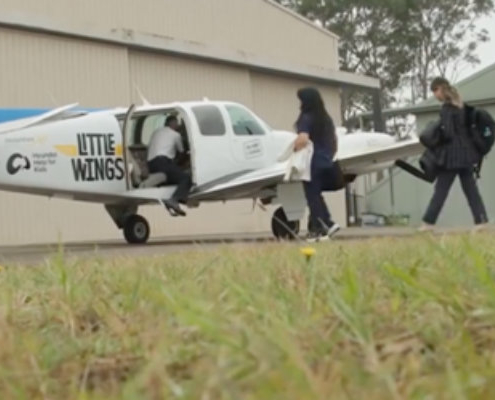
IvanaKKatzAdmin20252026-01-14 04:28:362026-01-15 05:50:11Behind the Wheel (with Little Wings Ltd): A Day in the Life of a Mobile Optometrist
https://mobileyesdentalfoundation.org.au/wp-content/uploads/2026/01/Little-Wings-6.jpg
400
1000
IvanaKKatzAdmin2025
https://mobileyesdentalfoundation.org.au/wp-content/uploads/2025/03/Mobileyes-Dental-Foundation-Logo-2.png
IvanaKKatzAdmin20252026-01-14 04:28:362026-01-15 05:50:11Behind the Wheel (with Little Wings Ltd): A Day in the Life of a Mobile Optometrist https://mobileyesdentalfoundation.org.au/wp-content/uploads/2026/01/Impact-of-mobile-clinics-1.jpg
400
1000
IvanaKKatzAdmin2025
https://mobileyesdentalfoundation.org.au/wp-content/uploads/2025/03/Mobileyes-Dental-Foundation-Logo-2.png
IvanaKKatzAdmin20252026-01-14 04:16:352026-01-14 04:20:29The Impact of Mobile Clinics in Vulnerable Communities
https://mobileyesdentalfoundation.org.au/wp-content/uploads/2026/01/Impact-of-mobile-clinics-1.jpg
400
1000
IvanaKKatzAdmin2025
https://mobileyesdentalfoundation.org.au/wp-content/uploads/2025/03/Mobileyes-Dental-Foundation-Logo-2.png
IvanaKKatzAdmin20252026-01-14 04:16:352026-01-14 04:20:29The Impact of Mobile Clinics in Vulnerable Communities