Behind the Wheel (with Little Wings Ltd): A Day in the Life of a Mobile Optometrist
What it’s really like bringing health care to communities 500 kilometres from home
The alarm goes off at 4:30 AM. Most optometrists are still asleep, but Dr. Andrea Eliastam, Dr. Nancy Ordakji and their team are already packing their equipment.
Today’s destination? Mildura, a regional town in far northwest Victoria, roughly 550 kilometres from Sydney. There’s no mobile clinic on wheels for this trip. They’re flying!
This is what mobile health care actually looks like when you say “We go where we’re needed.” It’s not just driving across town. It’s coordinating with regional schools, partnering with organisations like Little Wings Australia, and taking to the skies to reach kids who might never see an optometrist otherwise.
The Journey Starts Before the Clinic Opens
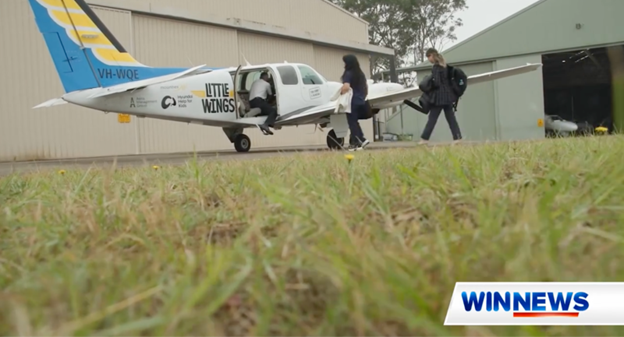
The Mobileyes team head out for a two hour flight in a light plane from Sydney to Mildura- the fastest way to reach communities that would otherwise be hours of driving through rural NSW and Victoria.
Little Wings, a not for profit organisation that provides free, professional, safe flight and ground transport services for seriously ill children in rural and regional NSW, ACT and QLD, makes trips like this possible. They fly healthcare professionals into remote and regional areas for free, removing one of the biggest barriers to accessing care: distance.
Setting Up Shop in a School
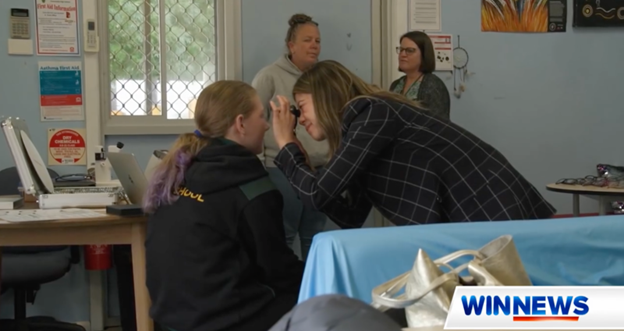
By mid-morning, they’ve landed in Mildura and arrived at the local primary school. This isn’t a purpose-built clinic. It’s a regular classroom or staff room, temporarily transformed into an examination space.
The setup is practiced and efficient: portable equipment comes out of cases, a makeshift reception area is organised, chairs are arranged. Within an hour, they’ve created a fully functional eye and dental clinic in a space.
This adaptability is crucial. Mobile health care isn’t about waiting for perfect conditions – it’s about making excellent care possible wherever you are. All they need is a small space and a power outlet.
The Kids Start Arriving
The first student walks in-a girl, maybe eight or nine, clearly nervous. She’s never had an eye test before. She doesn’t know what to expect.
One of the Mobileyes clinicians greets her warmly, speaking in a way that immediately puts the child at ease.
She holds up the handheld optometric device-advanced digital technology that looks more like a friendly gadget than intimidating medical equipment. The girl relaxes. This doesn’t feel scary.
Over the next few hours, student after student comes through for either eye checks or dental checks. Some are there for routine checks under the Child Dental Benefits Scheme. Others have been flagged by teachers who noticed them squinting at the board or complaining of headaches.
One boy has been sitting at the back of the classroom all year because he couldn’t see the whiteboard. His teacher thought he was just disruptive. It turns out, he needed glasses.
“It happens more often than you’d think,” Andrea says. “Kids don’t always realise they can’t see properly because they’ve never known any different. They assume everyone sees the world the way they do.”
It’s Not Just About Vision – It’s About Opportunity
After three days, they’ve examined 200 children. Some need glasses. Some need referrals for more specialised care. A few show early signs of conditions that, if left unchecked, could have affected their vision permanently.
But the real impact goes beyond clinical outcomes.
That boy who’s been sitting at the back of the class will get glasses through a government-funded program, meaning his family won’t pay a cent. He’ll be able to participate in lessons. His grades will likely improve. His behavior issues – born out of frustration and an inability to engage – may disappear entirely.
This is preventive health care at its most powerful. Catching vision problems early doesn’t just preserve eyesight – it preserves futures.
“Every time I see a kid light up when they put on glasses for the first time, I remember why we do this,” Nancy says. “They suddenly realise the world has been blurry this whole time, and now it’s sharp and clear. That moment never gets old.”
The Realities Nobody Talks About
Mobile health care sounds noble, and it is. But it’s also exhausting.
There’s the physical logistics – flying in and out of regional areas, carrying equipment, setting up and breaking down temporary clinics, staying on your feet for eight-hour examination days.
There’s the emotional weight – seeing kids who’ve slipped through the cracks of the system, families who’ve been unable to afford basic care, elderly people who’ve been living with preventable vision loss because they couldn’t access help.
There’s also the administrative load that happens behind the scenes: coordinating with schools, managing government program paperwork, following up on referrals, ensuring every child who needs glasses actually gets them.
“Work no longer feels like a job,” Andrea has said. “It feels like I’m able to bring a little bit of light into the world every single day.”
But make no mistake-bringing that light requires relentless determination and a willingness to work harder than most people in traditional clinic settings.
The Recognition That Keeps Them Going
When WIN News covered their trip to Mildura, it was about showing communities like Mildura that help is available – that they haven’t been forgotten.
The segment captured what a typical mobile clinic day actually involves: the travel, the setup, the examinations and families grateful for care they couldn’t access otherwise. It put a human face on statistics about health care inequality.
For Andrea and Nancy, the real recognition comes in smaller moments: a parent’s relieved thank-you, a teacher reporting that a struggling student is suddenly thriving, a child who can finally see the board clearly.
The End of a Worthwhile Visit
By the end of day three,, they’ve completed the final examinations. The temporary clinic is packed back into cases. The room returns to being just a staffroom.
Andrea and Nancy head back to the airstrip, tired but satisfied. Tomorrow they might be in a different town, a different school, a different community. The location changes, but the mission stays the same: bringing essential health care to people who need it, wherever they are.
How You Can Support Mobile Health Care
The Mobileyes and Dental Foundation relies on donations to continue reaching vulnerable communities. Every contribution directly expands their ability to provide free care:
- $50 funds a comprehensive eye exam for someone without Medicare
- $99 covers a complete pair of single-vision glasses for clients not eligible through existing programs
- $139 provides an eye check and bifocals for those in need
All donations are tax-deductible under the Foundation’s DGR status.
If you know a school, aged care facility, or community organisation that could benefit from mobile clinics, reach out to Mobileyes at info@mobileyes.com.au or call 0424 097 559.
Health Care Shouldn’t Depend on Your Postcode
At the end of the trip in Mildura, 200 children went home with a clearer view of the world and better oral health.
Mobileyes & Dental is about creating a future where health care access isn’t determined by geography or income. Where a child in a remote town has the same opportunity to thrive as a child in metropolitan Sydney.
Because at the end of the day, every person deserves to see clearly and enjoy good oral health. Every child deserves the chance to succeed. And sometimes, that means packing up your equipment, boarding a small plane, and bringing health care to communities that need it most.
Want to bring mobile eye and dental care to your community?
Contact Mobileyes at info@mobileyes.com.au or visit their website to learn more about booking mobile clinic services.
You may also be interested in
 https://mobileyesdentalfoundation.org.au/wp-content/uploads/2026/01/Little-Wings-6.jpg
400
1000
IvanaKKatzAdmin2025
https://mobileyesdentalfoundation.org.au/wp-content/uploads/2025/03/Mobileyes-Dental-Foundation-Logo-2.png
IvanaKKatzAdmin20252026-01-14 04:28:362026-01-15 05:50:11Behind the Wheel (with Little Wings Ltd): A Day in the Life of a Mobile Optometrist
https://mobileyesdentalfoundation.org.au/wp-content/uploads/2026/01/Little-Wings-6.jpg
400
1000
IvanaKKatzAdmin2025
https://mobileyesdentalfoundation.org.au/wp-content/uploads/2025/03/Mobileyes-Dental-Foundation-Logo-2.png
IvanaKKatzAdmin20252026-01-14 04:28:362026-01-15 05:50:11Behind the Wheel (with Little Wings Ltd): A Day in the Life of a Mobile Optometrist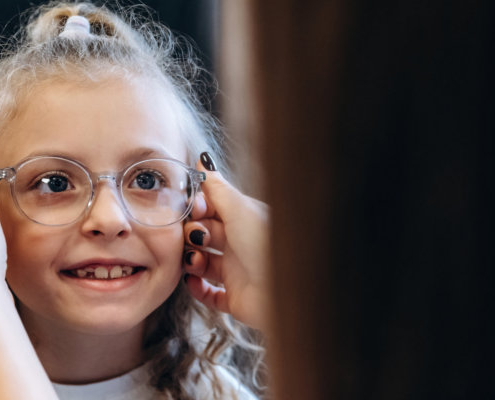 https://mobileyesdentalfoundation.org.au/wp-content/uploads/2026/01/Impact-of-mobile-clinics-1.jpg
400
1000
IvanaKKatzAdmin2025
https://mobileyesdentalfoundation.org.au/wp-content/uploads/2025/03/Mobileyes-Dental-Foundation-Logo-2.png
IvanaKKatzAdmin20252026-01-14 04:16:352026-01-14 04:20:29The Impact of Mobile Clinics in Vulnerable Communities
https://mobileyesdentalfoundation.org.au/wp-content/uploads/2026/01/Impact-of-mobile-clinics-1.jpg
400
1000
IvanaKKatzAdmin2025
https://mobileyesdentalfoundation.org.au/wp-content/uploads/2025/03/Mobileyes-Dental-Foundation-Logo-2.png
IvanaKKatzAdmin20252026-01-14 04:16:352026-01-14 04:20:29The Impact of Mobile Clinics in Vulnerable Communities